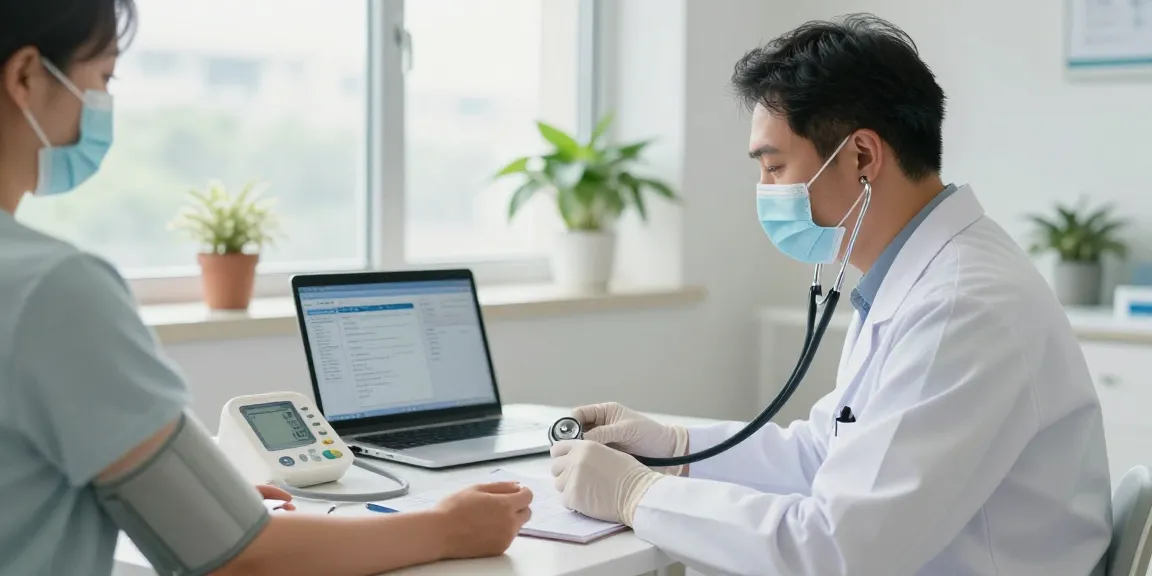
Understanding Medical Gloves: Types and Uses
In the healthcare industry, the role of medical gloves cannot be overstated. These essential tools provide a barrier between healthcare professionals and patients, thus safeguarding against infections and cross-contamination. Understanding the various types of medical gloves available and their specific applications is crucial for effective healthcare delivery. This article delves into the composition, types, and correct selection of medical gloves, as well as their significance in infection control.
What Are Medical Gloves Made Of?
Medical gloves are typically made from three primary materials: latex, nitrile, and vinyl. Each material offers unique properties that cater to different needs within the healthcare industry.
- Latex Gloves: Made from natural rubber latex, these gloves are known for their excellent elasticity and comfort. They provide a snug fit, allowing for dexterity in various procedures. However, they can cause allergic reactions in some individuals.
- Nitrile Gloves: Nitrile is a synthetic rubber that is latex-free, making these gloves an ideal choice for individuals with latex allergies. Nitrile gloves are highly resistant to punctures and chemicals, making them suitable for a wide range of applications.
- Vinyl Gloves: Made from polyvinyl chloride (PVC), vinyl gloves are less durable than latex or nitrile options. They are often used for low-risk procedures and tasks that require infrequent glove changes.
Different Types of Medical Gloves and Their Applications
The choice of medical gloves extends beyond just material; it also encompasses their designated use cases. The following are common types of medical gloves:
- Examination Gloves: Used during patient examinations and diagnostic procedures.
- Surgical Gloves: Sterile gloves designed for surgical settings, providing a higher level of protection.
- Chemotherapy Gloves: Specialized gloves for healthcare workers handling chemotherapy agents, made from materials that resist permeation by hazardous drugs.
Choosing the Right Medical Gloves for Specific Procedures
Selecting the appropriate gloves for specific healthcare tasks is vital. Factors to consider include the type of procedure, the required dexterity, and the potential for exposure to hazardous materials. For instance, surgeons may prefer latex or nitrile gloves for their tactile sensitivity, while those working with chemotherapy drugs should opt for nitrile gloves due to their chemical resistance.
Importance of Medical Gloves in Infection Control
Infection control is a fundamental aspect of healthcare, and medical gloves play a pivotal role in preventing the transmission of pathogens in clinical settings. By acting as a barrier, gloves substantially lower the risk of infections for both healthcare providers and patients.
How Medical Gloves Prevent Cross-Contamination
Medical gloves are essential in breaking the chain of infection during healthcare interactions. They minimize the risk of cross-contamination by providing a physical barrier that prevents direct contact with blood, bodily fluids, and contaminated surfaces. Proper glove usage is critical, as improperly donned or removed gloves can lead to increased infection risks.
Best Practices for Donning and Doffing Medical Gloves
To ensure maximum protection, healthcare professionals must adhere to strict protocols for donning (putting on) and doffing (removing) gloves:
- Before putting on gloves: Perform hand hygiene.
- When removing gloves: Avoid touching the outer surface with bare skin, and immediately perform hand hygiene afterward.
Common Misconceptions About Glove Use in Healthcare
There are several misconceptions surrounding the use of medical gloves. One common belief is that wearing gloves eliminates the need for hand hygiene. In reality, gloves should be used in conjunction with proper handwashing practices to achieve optimal infection control.
Regulatory Standards for Medical Gloves
The production and sale of medical gloves are governed by rigorous standards set forth by regulatory agencies to ensure safety and effectiveness in healthcare settings. Understanding these regulations is vital for healthcare providers.
Overview of FDA Regulations and Compliance
In the United States, the Food and Drug Administration (FDA) regulates medical gloves as Class I or Class II devices, depending on their intended use. They are required to meet specific manufacturing standards and undergo rigorous testing to ensure their safety and effectiveness in preventing infections.
Importance of Quality Certifications for Medical Gloves
Quality certifications such as ISO 13485 and ASTM standards are indicators of a manufacturer's commitment to quality. These certifications ensure that gloves meet stringent safety and performance requirements, providing healthcare professionals with confidence in their choice of medical gloves.
Future Trends in Medical Glove Manufacturing Standards
As the healthcare landscape evolves, so too do manufacturing standards for medical gloves. Anticipated trends include an increased emphasis on sustainability, with manufacturers seeking eco-friendly materials and processes. Furthermore, advancements in technology are expected to drive innovations in glove design and functionality.
Evaluating the Cost-Effectiveness of Medical Gloves
While the cost of medical gloves can vary significantly, evaluating their cost-effectiveness is essential for healthcare facilities. Understanding the balance between quality and price can lead to significant long-term savings.
Cost-Benefit Analysis of Quality vs. Price
High-quality medical gloves often come at a premium price. However, investing in superior gloves can reduce the risk of breaches and subsequent infection control issues, ultimately leading to lower healthcare costs. Facilities should conduct a thorough cost-benefit analysis to determine the most economical choice.
The Role of Bulk Purchasing in Healthcare Savings
Bulk purchasing of medical gloves can lead to substantial savings for healthcare organizations. By negotiating prices with suppliers and purchasing large quantities, facilities can decrease their per-unit costs while ensuring they have an adequate supply for their needs.
Impact of Unsuitable Gloves on Healthcare Costs
The use of unsuitable gloves can result in increased healthcare costs due to higher rates of infection, extended patient recovery times, and the potential for legal repercussions. Ensuring the proper selection of gloves is critical to maintaining both patient safety and financial health within healthcare institutions.
Innovations in Medical Glove Technology
In recent years, advancements in medical glove technology have introduced new materials and features that enhance the functionality and safety of these essential tools. The future promises even more exciting innovations.
Emerging Materials and Their Benefits for Healthcare
New materials, such as biodegradable or sustainable options, are gaining traction in the medical glove sector. These innovations not only provide effective barrier protection but also contribute to reducing the environmental footprint of healthcare practices.
Smart Gloves: Technology Enhancements on the Horizon
The development of smart gloves integrates technology to monitor hand hygiene practices or detect hazardous substances. These gloves could revolutionize infection control and patient safety by providing real-time feedback to healthcare workers.
Sustainability Practices in Medical Glove Production
Sustainability is becoming increasingly important in medical glove production. Manufacturers are exploring eco-friendly materials and processes, aiming to reduce waste and promote a circular economy within the healthcare sector.
What Are the Latest Developments and Trends for 2026?
Looking ahead to 2026, the medical glove industry is expected to witness significant advancements in both manufacturing techniques and materials. Innovations such as enhanced comfort, improved fit, and advanced barrier protection are anticipated to meet the changing demands of the healthcare landscape.
How Will Innovations Impact Patient Care and Safety?
As the industry evolves, the implementation of innovative glove technologies will likely enhance patient care and safety standards. Improvements in glove performance can lead to lower infection rates, increased patient trust, and ultimately better healthcare outcomes.